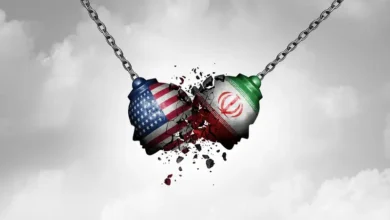
Iraq’s political scene is witnessing one of the worst government formation crises in years as of April 2026. The Coordination Framework, the largest parliamentary bloc, continues its deliberate and embarrassing procrastination in selecting a candidate for prime minister, despite the constitutional deadlines rapidly approaching. This delay is not the result of ordinary technical or programmatic disagreements. Rather, it is the direct and humiliating price of the intense fear gripping leaders of the Coordination Framework and commanders of Iran-aligned armed factions in the face of overwhelming and resolute American pressure under President Donald Trump’s administration. The United States has explicitly rejected prominent figures such as Nouri al-Maliki and Mohammed Shia al-Sudani. This firm veto is the primary reason behind the current political paralysis, forcing the Framework into a vicious cycle of divisions and hesitation instead of making a decisive national choice.
Deep Divisions and Lack of Consensus: American Fear Tears the Framework Apart from Within
The Coordination Framework is experiencing sharp and public rifts among its blocs, particularly between supporters of al-Maliki (State of Law Coalition) and backers of al-Sudani or other candidates. Al-Maliki was the initial frontrunner, but he faces an explicit American veto from Trump himself, who described him as a choice that threatens U.S. interests. Meanwhile, al-Sudani, who is seeking a second term, encounters strong American reservations due to his inability to genuinely dismantle the Iran-aligned factions. This dual American rejection has completely disrupted calculations. Instead of reaching a swift agreement, Framework leaders and faction commanders have resorted to repeated delays and the postponement of meetings. The blame falls squarely on them: they fully recognize America’s power and fear the consequences of defying it, preferring to wait and flounder rather than confront reality. This humiliating fear reveals a clear political weakness, as the Framework has become a hostage to external pressure instead of exercising sovereign decision-making.
Intense American Pressure: Halting Dollar Shipments and Freezing Security Cooperation – Messages That Will Not Be Forgotten
Washington did not limit itself to diplomatic statements. It has moved to direct and painful punitive measures. The U.S. has stopped shipments of physical dollars (critical oil revenue funds for the Iraqi economy) and frozen a significant portion of security cooperation with Iraqi forces. These steps are explicitly designed to force Iraq to select a prime minister “unconnected to Iran” who is capable of confronting and dismantling the influence of the pro-Tehran factions. Leaders of the Coordination Framework and the factions are living in a state of genuine panic over this powerful American stance. Iraq’s economy is heavily dependent on the dollar, and any escalation could trigger a severe financial crisis or broader sanctions affecting the oil sector and military support. This evident fear explains the ongoing procrastination — they dread Washington’s anger far more than any domestic or Iranian pressure, thereby delaying government formation and endangering national stability.
Qaani’s Visit: Tehran’s Desperate Attempt in the Face of American Power
In an effort to counter this pressure, Ismail Qaani, commander of the Quds Force, visited Baghdad recently in an unannounced trip and directly urged the Coordination Framework to install a figure loyal to Tehran who would preserve Iranian influence. The visit aimed to unify the Shia ranks and support al-Maliki or a similar alternative, but it only complicated matters further. The Framework now finds itself trapped between Tehran’s demands (which push for a “resistance” candidate) and Washington’s firm rejection. The result? Clear political confusion: faction leaders and Framework figures want to please Iran, yet they tremble at the enormous American cost. This conflict clearly demonstrates that fear of America is stronger, leading to further delays and divisions.
Political Confusion and the Threat of Sanctions: The Framework Bears Full Responsibility for the Crisis
The central question facing the Framework is: How can it choose a candidate acceptable to both the American and Iranian sides? The answer is simple — it cannot do so easily, precisely because of America’s explicit rejection of both al-Maliki and al-Sudani. This rejection is what has caused the complete state of confusion: postponed meetings, names proposed then withdrawn, and continuous stalling. Faction commanders and Framework leaders fully understand the strength of the American position — Washington is threatening additional sanctions unless the Iranian influence through the factions is dismantled. The blame lies directly with them: instead of selecting a compromise candidate that protects Iraq’s interests, they choose fear and hesitation, exposing the country to potential economic and security crises.
In conclusion, overwhelming U.S. pressure has become the decisive factor in Iraq’s current political landscape. The Coordination Framework and its affiliated faction leaders are paying the price for their humiliating fear of Washington’s rejection of Nouri al-Maliki and Mohammed Shia al-Sudani. This has resulted in a dangerous and costly delay in forming the new government. Unless they overcome this fear and find a solution that balances international realities, Iraq risks facing deeper sanctions and a prolonged crisis. Time is running out, and procrastination is no longer merely a choice — it has become a national disaster.