Latest analysis from the center
-
Apr- 2026 -25 April
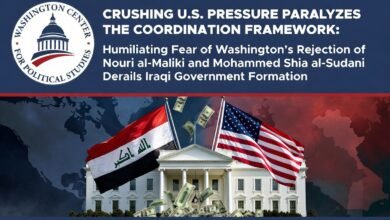
Crushing U.S. Pressure Paralyzes the Coordination Framework: Humiliating Fear of Washington’s Rejection of Nouri al-Maliki and Mohammed Shia al-Sudani Derails Iraqi Government Formation
Iraq’s political scene is witnessing one of the worst government formation crises in years as of April 2026. The Coordination Framework, the largest parliamentary bloc, continues its deliberate and embarrassing procrastination in selecting a candidate for prime minister, despite the constitutional deadlines rapidly approaching. This delay is not the result of ordinary technical or programmatic disagreements. Rather, it is the direct and humiliating price of the intense fear gripping…
-
17 April

Syria and Regional Repositioning: Between Breaking Isolation and the Prospects of Rapprochement with Israel
Syria After Isolation: A Calculated Return to the Scene Syria is now entering a political phase distinct from the early years of the war. It is no longer fully isolated, yet it has not fully regained its natural place within the regional order. Its return to the Arab League and the cautious openness from several Gulf capitals reflect a shift in the Arab approach—from disengagement to containment. This shift…
-
14 April
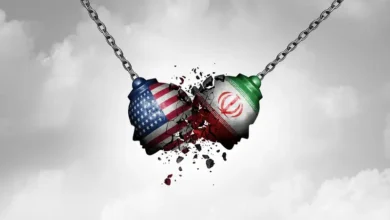
Who Lost the War More? A Strategic Reading: Why What Happened Cannot Be Called a Full American Victory nor a Usable Iranian Win
Executive Summary If the benchmark is direct military impact, the United States and its allies achieved clear firepower superiority and inflicted severe damage on Iran’s leadership and military structure, including the killing of the Supreme Leader Ali Khamenei and several senior commanders, followed by a naval blockade on Iranian ports to increase pressure on Tehran. However, if the benchmark is converting military power into a durable political outcome, there…
-
14 April
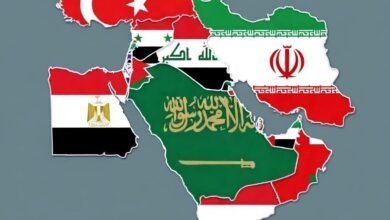
Strategic Analysis: The Middle East After the Truce — Between Conflict Containment and Its Reproduction
Introduction The Middle East is currently undergoing a critical transition from a phase of high-intensity open conflict to a more complex condition that can be described as “conflict management under a fragile truce.” This shift does not signal the end of war, but rather a recalibration of its tools, boundaries, and strategic objectives. In this context, the truce should not be interpreted as a comprehensive political settlement, but as a…
-
12 April
Strategic Retreat or Tactical Survival? Iran’s Growing Pattern of Abandonment
In the shifting landscape of Middle Eastern geopolitics, a pressing question is gaining traction among analysts and policymakers alike: is Iran beginning to abandon its regional allies and proxy networks in exchange for economic relief and political survival? Recent developments have fueled this debate. Reports and diplomatic signals suggest that Tehran may be recalibrating its long-standing strategy of projecting influence through allied groups across the region. Nowhere is this…
-
8 April
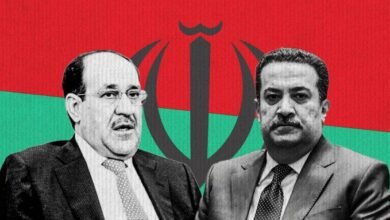
Washington Draws a Red Line: U.S. Rejects Maliki Amid Security Failures Under Al-Sudani
Baghdad — The United States is making clear that it opposes any return of former Prime Minister Nouri al-Maliki to power, while also voicing growing concern over the current government’s inability to rein in armed factions and guarantee the safety of American citizens in Iraq. Diplomatic sources indicate that Washington views Maliki’s potential comeback as a destabilizing move. His previous tenure remains closely associated with policies that deepened sectarian…