Introduction
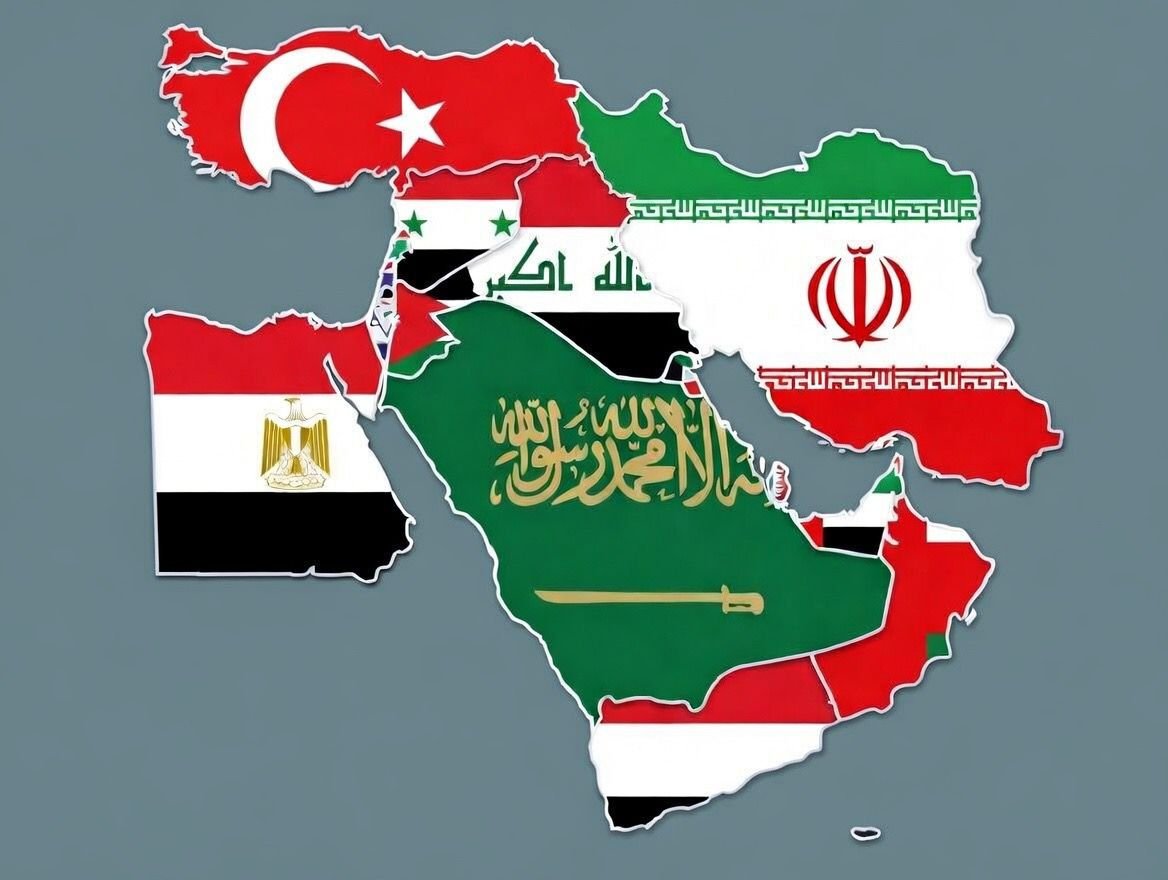
The Middle East is currently undergoing a critical transition from a phase of high-intensity open conflict to a more complex condition that can be described as “conflict management under a fragile truce.” This shift does not signal the end of war, but rather a recalibration of its tools, boundaries, and strategic objectives.
In this context, the truce should not be interpreted as a comprehensive political settlement, but as a temporary mechanism to contain escalation, reduce direct confrontation, and allow regional actors to reassess their strategic positions. Understanding the current landscape therefore requires a multi-layered analysis encompassing regional power structures, asymmetric conflict dynamics, and the economic constraints shaping decision-making.
I. Transformation of Conflict Dynamics: From Direct Confrontation to Managed Competition
The truce has not resolved the conflict; it has reshaped it. The region has shifted away from direct large-scale warfare toward a model of low-intensity, managed competition, where deterrence and pressure persist without escalating into full-scale war.
This transformation reflects a broader strategic recalibration among regional actors, who increasingly recognize that conventional wars have become prohibitively costly and difficult to control, particularly given their impact on energy markets and domestic stability.
As a result, states are relying on alternative instruments of power, including proxy networks, maritime pressure, and economic leverage. In this evolving paradigm, the objective is no longer decisive military victory, but rather denying adversaries strategic advantage while preserving internal and regional stability.
II. Structural Fragility and the Absence of a Regional Security Architecture
A central driver of ongoing instability in the Middle East is the absence of a coherent and institutionalized regional security framework. Unlike other regions, the Middle East lacks a structured system capable of regulating conflict through shared rules or collective mechanisms.
This structural gap produces several critical consequences. First, security authority is fragmented, with non-state actors increasingly shaping the strategic landscape alongside governments. Second, the risk of miscalculation is elevated, as the absence of clear rules of engagement increases the likelihood that localized incidents could escalate rapidly. Third, traditional notions of sovereignty are eroding, particularly in fragile states such as Lebanon, Syria, and Yemen, where state institutions struggle to monopolize the use of force.
As a result, the current truce rests on a precarious balance of power rather than a durable or institutionalized peace.
III. The Economic Dimension as a Strategic Constraint on War
For the first time in decades, economic considerations have emerged as a primary constraint on large-scale military escalation in the region. Key economies, particularly in the Gulf, are deeply integrated into global markets through energy exports, investment flows, and trade networks.
This interdependence has created a form of indirect economic deterrence, whereby large-scale conflict carries significant systemic costs, including disruption to energy supplies, rising shipping and insurance costs, and setbacks to long-term development strategies.
However, this deterrent effect is not absolute. While it reduces the likelihood of full-scale war, it does not eliminate the persistence of low-level conflict and strategic friction. This creates a clear paradox: economic realities help prevent major war, yet allow ongoing instability at lower levels of intensity.
IV. Fragile Arenas as Latent Drivers of Escalation
Despite the truce, several regional arenas remain structurally unstable and highly vulnerable to renewed escalation. These environments function not only as domestic conflict zones, but also as key arenas of regional competition.
Lebanon continues to experience a duality in security authority, making it particularly susceptible to sudden escalation. Syria remains in an incomplete transitional phase, marked by weak governance structures and the absence of a comprehensive political settlement. Yemen, although relatively de-escalated, retains strategic significance due to its proximity to vital maritime routes and global trade corridors.
These areas can be described as low-threshold flashpoints, where the cost of triggering conflict is relatively low, but the broader regional implications can be substantial.
V. Prospects of Renewed Conflict: A Forward-Looking Assessment
Based on current trends, the region appears to be moving toward one of three possible trajectories.
The first and most likely scenario is the continuation of the current status quo, characterized by a sustained truce accompanied by intermittent tensions and localized flare-ups. This reflects an unstable but functional deterrence balance.
The second scenario involves limited but geographically widespread escalation, potentially triggered by miscalculation or the breakdown of diplomatic efforts. In such a case, confrontation may expand rapidly but remain contained over the short term.
The third scenario is a full-scale regional war. While this remains the least likely outcome in the immediate future, it cannot be ruled out entirely, particularly in the event of a systemic collapse of de-escalation mechanisms or a significant shift in the regional balance of power.
In this context, the central question is no longer whether conflict may return, but rather when, how, and at what scale it will re-emerge.
Conclusion
The post-truce Middle East is best understood as a transition from overt warfare to regulated conflict. While the truce has succeeded in reducing the intensity of violence, it has not established a stable regional order or addressed the underlying drivers of conflict.
Achieving sustainable stability will require more than temporary ceasefires. It will depend on the development of a viable regional security framework, the restoration of effective state authority in fragile contexts, and the integration of economic stability into long-term conflict resolution strategies.
Until these conditions are met, the region will remain in a state of neither war nor peace, where periods of calm are temporary and the risk of renewed conflict remains a persistent structural feature.