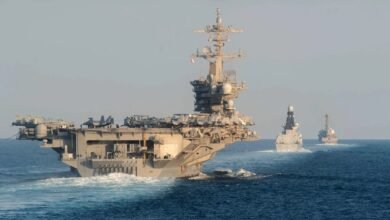

The Strait of Hormuz, one of the world’s most critical maritime chokepoints, has once again emerged as a flashpoint with profound global implications. This narrow passage, which facilitates the transit of nearly 20 percent of the world’s oil supply, is not merely a regional concern but a cornerstone of international economic stability. Any disruption to its operations sends immediate shockwaves through global markets, intensifying geopolitical tensions and raising urgent questions about energy security and economic resilience.
The closure of the Strait of Hormuz would trigger a severe global economic crisis. Oil prices would surge dramatically within hours, driven by fears of supply shortages and market uncertainty. Energy-importing nations, particularly in Europe and Asia, would be forced to rely on strategic reserves while scrambling to secure alternative supply routes. However, such alternatives are limited and often significantly more expensive. Shipping costs would rise sharply as tankers are rerouted over longer distances, leading to increased prices across a wide range of goods and services. Inflationary pressures would intensify, economic growth would slow, and vulnerable economies could slip into recession. The interconnected nature of modern supply chains means that even sectors not directly linked to energy would feel the impact, from agriculture to manufacturing and transportation.
At the same time, the geopolitical dimension of the crisis is equally concerning. The United States has increased its pressure in the region following the failure of diplomatic negotiations on key issues, including nuclear agreements and regional security arrangements. This pressure includes a stronger military presence, expanded sanctions, and closer coordination with regional allies. While these measures are intended to deter escalation and maintain the free flow of commerce, they also risk heightening tensions. The possibility of renewed conflict cannot be ruled out, particularly in a climate where mistrust is high and communication channels are strained. Any military confrontation would not only prolong the closure of the Strait but also deepen the global economic crisis, making recovery far more difficult.
In response, European nations and the broader international community have intensified their efforts to prevent further escalation and to ensure the reopening of the Strait. Europe, heavily dependent on energy imports, has a strong strategic interest in maintaining stability in the region. Diplomatic initiatives have focused on de-escalation, confidence-building measures, and the revival of negotiations between key parties. International organizations, including the United Nations, have emphasized the importance of upholding international law and guaranteeing freedom of navigation. Major global economies such as China and India have also called for restraint, recognizing that prolonged disruption would have serious consequences for global growth and development.
Looking ahead, resolving the crisis will require a comprehensive and coordinated approach. Diplomacy must remain the central pillar of any solution. Reestablishing dialogue between the involved parties is essential to reducing tensions and preventing further escalation. In parallel, the creation of an inclusive maritime security framework could help safeguard the Strait against future disruptions. Such a mechanism would need to involve both regional and international stakeholders to ensure legitimacy and effectiveness.
In the longer term, reducing global dependence on a single strategic chokepoint is critical. This includes diversifying energy sources, investing in renewable energy, and developing alternative transport routes. While these measures cannot provide immediate relief, they are essential for building resilience against future crises. Economic incentives and international mediation may also play a role in encouraging cooperation and discouraging actions that threaten global stability.
The Strait of Hormuz crisis is a stark reminder of how deeply interconnected the modern world has become. A disruption in one region can rapidly evolve into a global emergency, affecting economies, governments, and ordinary citizens alike. Ensuring the continued operation of this vital waterway is not just a regional priority but a shared international responsibility. Only through sustained cooperation, careful diplomacy, and long-term strategic planning can the world hope to navigate this crisis and prevent similar challenges in the future.