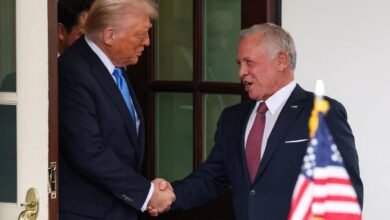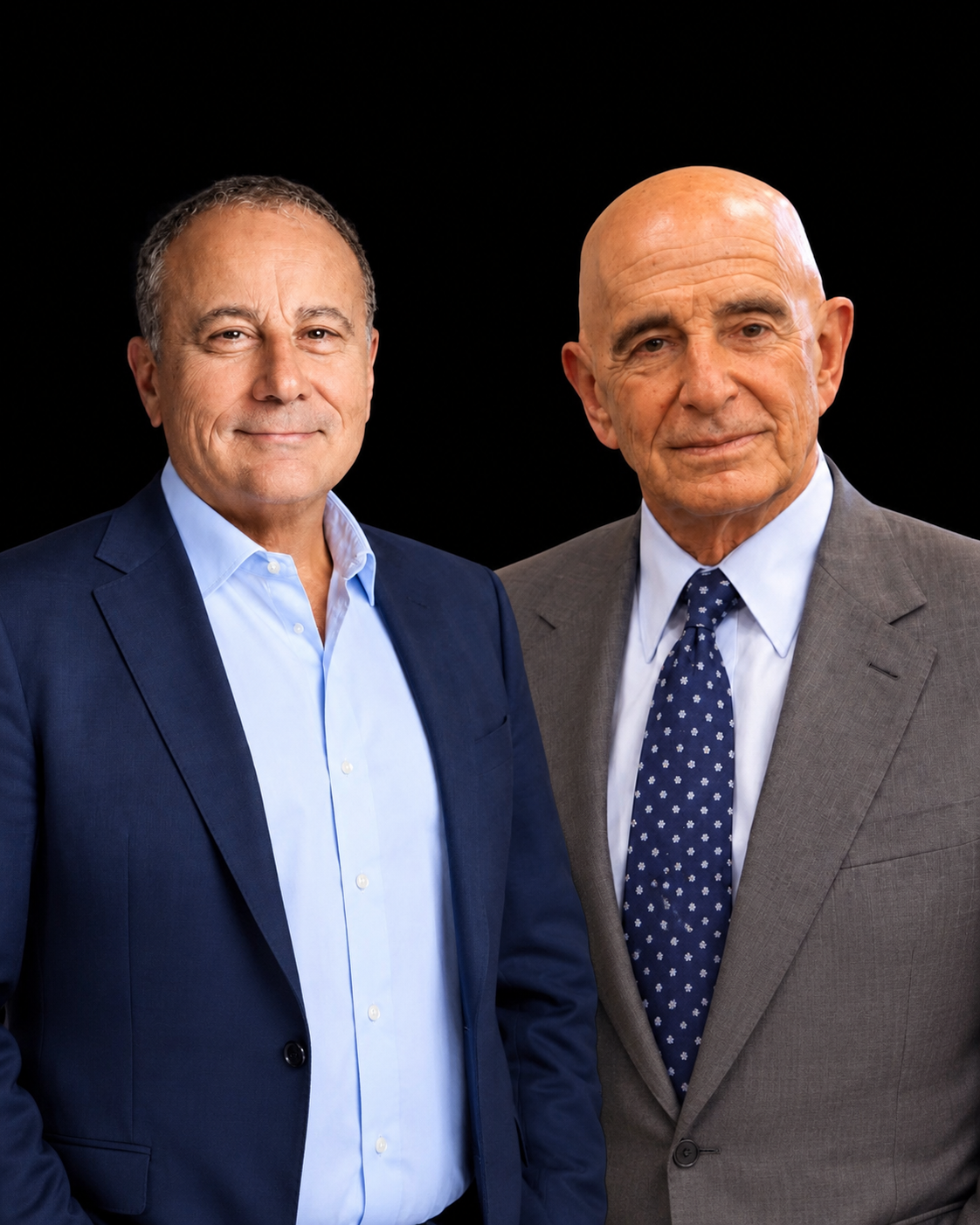
A Reuters investigation published on 9 October 2026 has raised questions about the conduct of Thomas Barrack, the U.S. special presidential envoy to Iraq and Syria and ambassador to Turkey. According to the report, Barrack advocated for the participation of TI Capital—a California-based investment firm run by his longtime business partner, Ziad Ghandour—in plans to rehabilitate the Kirkuk-Baniyas oil pipeline, a strategic route intended to allow Iraqi crude to reach the Mediterranean while bypassing the Strait of Hormuz.
The investigation, based on interviews with multiple sources and public records, notes that Barrack retains a financial interest in a separate real-estate project near San Francisco managed by TI Capital. At the time of his confirmation, he was entitled to as much as 20 percent of the profits from that venture. On 16 June 2026, Barrack and Iraqi Prime Minister Ali al-Zaidi issued a joint statement that specifically praised Iraq’s decision to advance a memorandum of understanding with TI Capital on the pipeline, without mentioning other consortium members such as Chevron or Qatar’s UCC Holding. In July, Iraq and Syria formally signed agreements with a consortium that included TI Capital for technical and financial studies on the project, estimated to cost around $15 billion and take at least four years to complete.
Ethics experts cited by Reuters, including former White House ethics counsel Richard Painter, argued that Barrack’s promotion of his business partner’s firm creates at least the appearance of a conflict of interest under federal impartiality rules, even in the absence of a direct financial stake in the pipeline itself. They suggested that proper procedure would have required Barrack to recuse himself entirely from matters involving TI Capital. The U.S. State Department, however, rejected any suggestion of impropriety. A spokesperson told Reuters that Barrack has “no affiliation with, role in, or financial interest in the Kirkuk-Baniyas pipeline project,” that his public statements reflect longstanding U.S. policy on regional energy integration, and that he remains compliant with ethics rules.
The episode highlights enduring tensions in U.S. Middle East policy. The Kirkuk-Baniyas pipeline is not merely a commercial venture; it is a geopolitical instrument designed to reduce Iraq’s dependence on the Strait of Hormuz and to limit Iran’s ability to disrupt regional energy flows. Washington has long supported such diversification. At the same time, the involvement of a firm linked to a senior U.S. official’s business network risks undermining the credibility of American diplomatic engagement in Iraq and Syria, where perceptions of favoritism can fuel local skepticism about U.S. intentions.
From a governance perspective, the case underscores the challenges of managing personal financial interests among high-level envoys operating in resource-rich, politically sensitive environments. While no evidence has emerged that Barrack stands to profit directly from the pipeline, the absence of a formal conflict-of-interest waiver and the specific highlighting of TI Capital in official statements have prompted scrutiny. For research centers focused on U.S. foreign policy and energy security, the episode offers a useful illustration of how personal networks, commercial interests, and strategic objectives can intersect—and of the importance of transparent ethics processes in preserving the legitimacy of American diplomacy in the region.