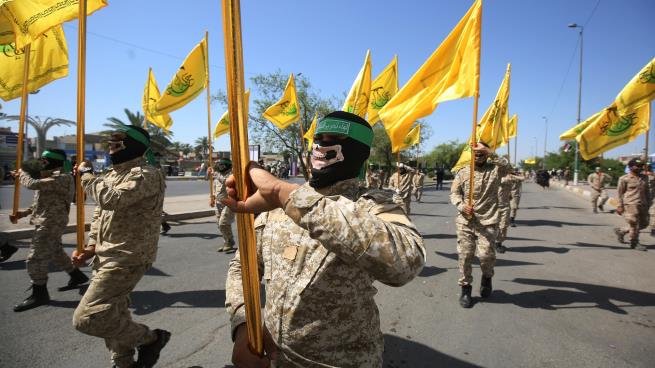
Baghdad — Iran-backed militias in Iraq are facing growing scrutiny and escalating pressure amid their expanding role in the current conflict, as the United States signals a more decisive and forceful approach toward armed groups operating outside state control.
Over recent months, these militias—widely believed to be aligned with Tehran—have intensified their activities, including attacks on strategic sites and threats against Western interests in the region. Security analysts and Western officials argue that such actions have not only destabilized Iraq internally but also risk drawing the country deeper into a broader regional confrontation.
According to U.S. defense officials, the pattern of militia activity reflects a coordinated effort to project influence and challenge American presence in Iraq. “These groups are not acting independently,” one official said. “They are part of a wider network that operates with support and direction from Tehran.”
The militias, however, have come under increasing criticism for undermining Iraqi sovereignty and complicating efforts to maintain stability. Iraqi political observers note that their actions often bypass state institutions, weakening the authority of the central government and fueling internal divisions.
Washington, for its part, has adopted a noticeably firmer tone. Senior U.S. officials have warned that continued attacks by militia groups will be met with direct and proportional responses. Military assets in the region have been reinforced, and contingency plans are reportedly in place to target militia infrastructure if necessary.
“The United States will not tolerate threats to its personnel or its interests,” a Pentagon spokesperson said in a recent briefing. “Any escalation will be answered decisively.”
This shift reflects a broader recalibration of U.S. policy, moving from deterrence through diplomacy to a posture that emphasizes accountability and rapid response. Analysts say the message is clear: militia operations that cross red lines will carry immediate consequences.
Despite these warnings, militia leaders have continued to issue defiant statements, portraying their actions as part of a broader resistance strategy. However, critics argue that such rhetoric masks the risks their activities pose to Iraq’s stability and its relations with international partners.
“The real cost is being paid by Iraq,” said a regional analyst. “These groups are dragging the country into conflicts that serve external agendas rather than national interests.”
As tensions mount, the Iraqi government faces mounting pressure to assert control over armed factions operating within its borders. While officials in Baghdad have called for restraint on all sides, their ability to rein in powerful militia networks remains uncertain.
For now, the situation remains volatile. With the United States demonstrating a readiness to act and militias continuing their operations, the risk of direct confrontation is rising—raising concerns that Iraq could once again become a central arena for wider geopolitical conflict.