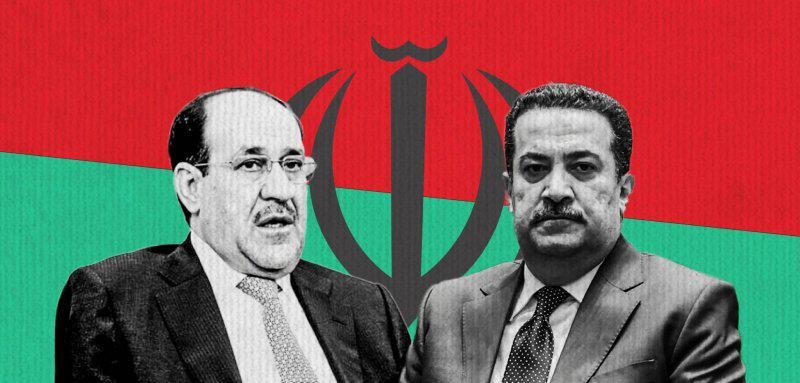
Baghdad — The United States is making clear that it opposes any return of former Prime Minister Nouri al-Maliki to power, while also voicing growing concern over the current government’s inability to rein in armed factions and guarantee the safety of American citizens in Iraq.
Diplomatic sources indicate that Washington views Maliki’s potential comeback as a destabilizing move. His previous tenure remains closely associated with policies that deepened sectarian divisions and weakened state institutions—an outcome U.S. officials are unwilling to risk repeating.
“Maliki represents a period that contributed to instability rather than stability,” said a Western official familiar with the matter. “There is no support in Washington for his return.”
At the same time, Prime Minister Mohammed Shia’ Al-Sudani is facing increasing scrutiny over what analysts describe as a failure to assert state authority. Despite repeated commitments to control armed groups operating outside official structures, these factions have continued to expand their influence and carry out activities that undermine national security.
Concerns have intensified following reports of the kidnapping of an American journalist in Iraq, an incident that has alarmed U.S. officials and highlighted the fragile security environment. The case has become a focal point in Washington’s assessment of Baghdad’s ability to protect foreign nationals.
A State Department spokesperson stressed the seriousness of the situation, stating that the safety of American citizens remains a top priority and that the Iraqi government is expected to act swiftly and decisively.
Analysts say the incident reflects a broader pattern of weak enforcement and limited control over armed factions, some of which are believed to operate with external backing. These groups continue to challenge state authority, raising doubts about the government’s capacity to maintain order.
“The issue is not isolated,” said a regional security expert. “It reflects a systemic inability to confront powerful armed actors.”
In response, the United States has adopted a firmer tone, warning that continued threats to its citizens and interests will not be tolerated. Officials have signaled that additional measures could be considered if the situation deteriorates further.
The dual message from Washington—rejecting Maliki while expressing dissatisfaction with current leadership—places Iraq’s political establishment under significant pressure. It underscores the urgency of restoring effective governance and ensuring accountability in the face of mounting security challenges.
As Iraq navigates this critical moment, the expectations from its international partners are clear: stronger leadership, decisive action, and a credible commitment to protecting both national sovereignty and the safety of those within its borders.