Executive Summary
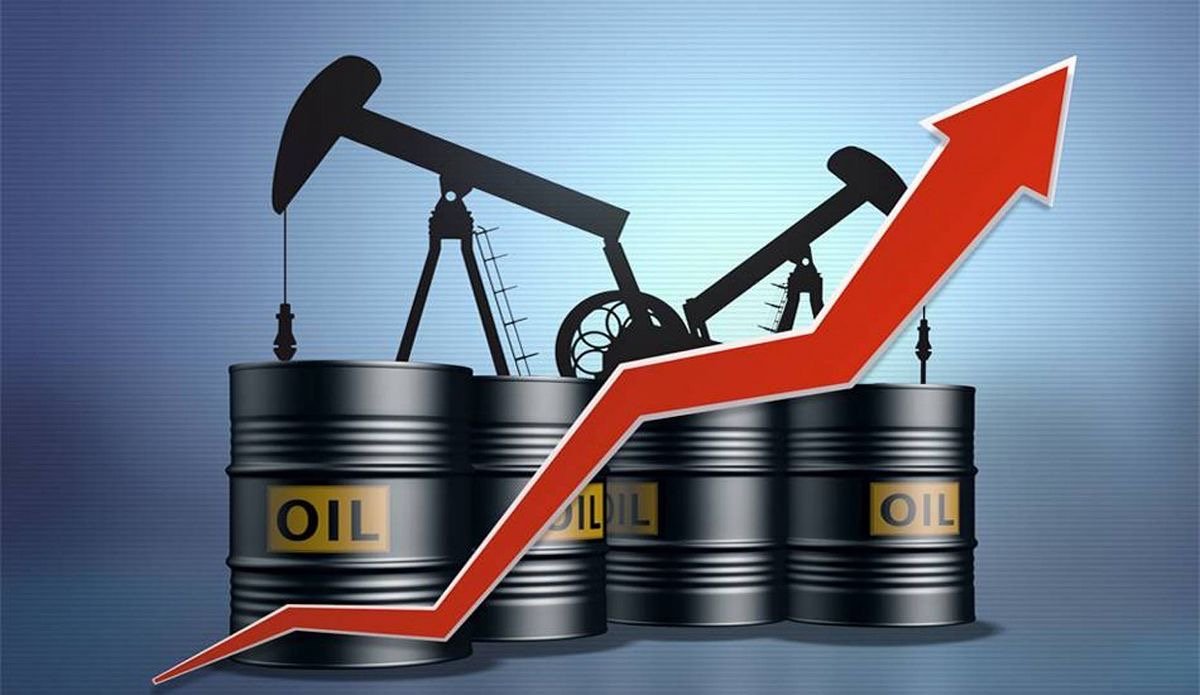
Oil prices remain a critical determinant of global economic stability and geopolitical dynamics. Their fluctuations are driven by a complex interaction of supply-demand fundamentals, market expectations, geopolitical risks, and financial factors. Price increases are typically associated with rising demand, constrained supply, or heightened geopolitical tensions, while declines often reflect weakened global economic activity, oversupply, or shifts in market sentiment. These fluctuations carry significant consequences for both oil-importing and oil-exporting countries, as well as for households, influencing inflation, public finances, and overall economic performance.
1. Introduction
Oil continues to occupy a central position in the global energy system and the broader economy. Despite the gradual expansion of renewable energy sources, petroleum remains indispensable for transportation, industrial production, and petrochemicals. Consequently, oil price volatility extends beyond commodity markets, affecting macroeconomic stability, fiscal policy, and international relations.
Understanding the underlying drivers of oil price movements is therefore essential for policymakers, businesses, and researchers alike.
2. Structural Determinants of Oil Prices
2.1 Supply and Demand Fundamentals
At its core, the oil market is governed by the balance between global supply and demand. Periods of strong economic growth—particularly in major economies and emerging markets—tend to increase energy consumption, thereby pushing prices upward. Conversely, economic slowdowns or recessions reduce demand, exerting downward pressure on prices.
However, supply-demand dynamics alone do not fully explain price movements. Expectations about future conditions often play an equally significant role.
2.2 Supply Constraints and Disruptions
Oil supply is vulnerable to a wide range of disruptions, including:
* Geopolitical conflicts in producing regions
* Economic sanctions imposed on major exporters
* Natural disasters affecting production or transportation infrastructure
* Technical failures or attacks on energy facilities
Even the anticipation of such disruptions can lead to price increases, as markets incorporate risk premiums into pricing.
2.3 Production Policies and Market Coordination
Major oil-producing countries, particularly those engaged in coordinated production frameworks, play a decisive role in shaping market outcomes. Decisions to reduce or increase output can significantly influence global supply levels and, consequently, price trajectories.
These decisions are often guided not only by economic considerations but also by strategic and fiscal objectives.
2.4 Geopolitical Risk and Market Sentiment
Oil markets are highly sensitive to geopolitical developments. Tensions in key transit routes or producing regions can elevate uncertainty and trigger price spikes, even in the absence of immediate supply disruptions.
Market sentiment, driven by political developments and risk perceptions, frequently amplifies price volatility.
2.5 Financial Factors and Currency Movements
Oil is globally traded in U.S. dollars, making exchange rate fluctuations an important variable. A weaker dollar tends to support higher oil prices by making crude cheaper for non-dollar economies, thereby stimulating demand.
Additionally, financial market activity—including speculation and portfolio investment in commodities—can intensify short-term price movements.
3. Causes of Oil Price Declines
3.1 Weakening Global Demand
Economic downturns are among the most significant drivers of declining oil prices. Reduced industrial output, lower transportation activity, and declining trade volumes all contribute to weaker demand for energy.
3.2 Oversupply and Market Imbalances
Excess supply—resulting from increased production, technological advancements, or lack of coordination among producers—can lead to persistent downward pressure on prices.
Even modest surpluses may have pronounced effects if markets anticipate their continuation.
3.3 Competitive Dynamics and Price Wars
At times, producers prioritize market share over price stability, leading to increased output despite weak demand. Such dynamics can trigger sharp price declines and prolonged periods of low prices.
3.4 Inventory Accumulation
Rising global oil inventories signal an imbalance between supply and demand. Elevated stock levels typically exert downward pressure on prices, reflecting insufficient consumption relative to production.
3.5 Shifts in Expectations
Market expectations regarding future economic performance, policy changes, or supply conditions can drive prices downward even before actual changes materialize.
4. Oil Prices at the Intersection of Economics and Geopolitics
Oil is not merely an economic commodity; it is a strategic asset deeply embedded in global power structures. Production decisions, trade flows, and infrastructure security are all influenced by geopolitical considerations.
As a result, oil price movements often reflect broader geopolitical trends, including shifts in alliances, regional instability, and strategic competition among major powers.
5. Socioeconomic Impacts of Rising Oil Prices
5.1 Inflationary Pressures
Higher oil prices increase production and transportation costs across sectors, contributing to broader inflationary trends. This effect is particularly pronounced in energy-intensive industries.
5.2 Household Financial Burden
Rising fuel and energy costs directly affect household expenditures, reducing disposable income and purchasing power, especially among lower- and middle-income groups.
5.3 Fiscal Implications for Countries
* Oil-importing countries face increased energy bills, which can widen fiscal deficits and strain foreign exchange reserves.
* Oil-exporting countries benefit from higher revenues, though the extent of public benefit depends on fiscal management and redistribution mechanisms.
6. Implications of Declining Oil Prices
6.1 Benefits for Consumers and Importers
Lower oil prices generally reduce transportation and energy costs, easing inflationary pressures and supporting economic activity in oil-importing economies.
6.2 Fiscal Challenges for Exporters
Oil-dependent economies experience revenue shortfalls during periods of low prices, which may necessitate budget adjustments, borrowing, or spending cuts.
6.3 Investment Cycles in the Energy Sector
Sustained low prices can discourage investment in exploration and production. Over time, reduced investment may constrain supply, setting the stage for future price increases.
7. Distributional Effects of Oil Price Volatility
The impact of oil price fluctuations is unevenly distributed:
* Low-income households are disproportionately affected by rising living costs
* Developing economies are more vulnerable to external energy shocks
* Resource-dependent states face heightened fiscal volatility
This uneven distribution underscores the importance of policy responses aimed at mitigating adverse effects.
8. Conclusion
Oil price volatility is the product of a multifaceted interplay between economic fundamentals, geopolitical dynamics, and financial market behavior. While short-term fluctuations are often driven by immediate shocks or expectations, long-term trends reflect deeper structural changes in the global economy and energy systems.
For policymakers, the challenge lies in managing the economic and social consequences of these fluctuations through diversification, fiscal resilience, and strategic energy planning. For the global economy, oil remains a central—if increasingly complex—driver of stability and risk.