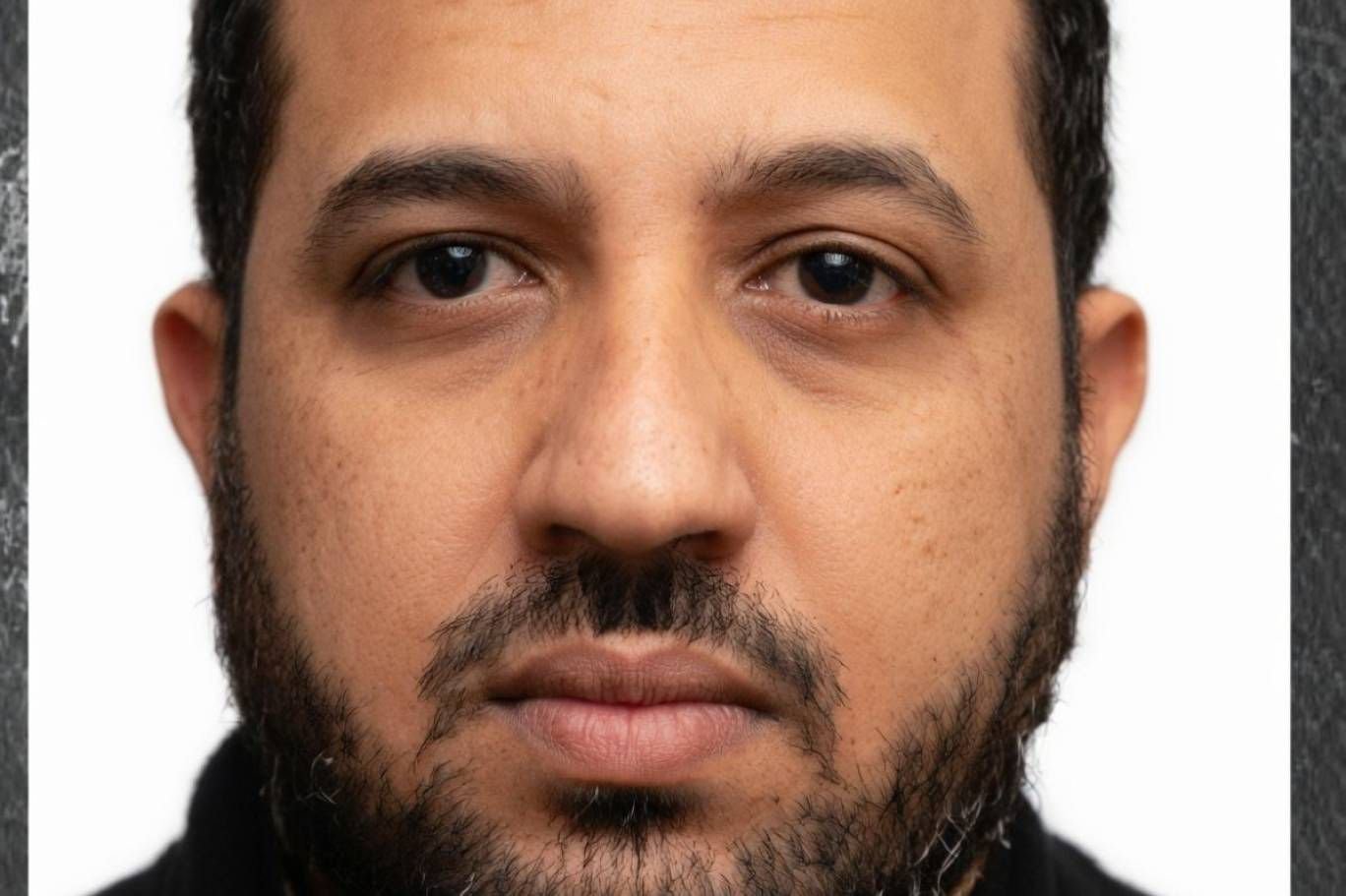
Ahmad al-Hamidawi, also known as Abu Hussein al-Hamidawi, has become one of the most influential and controversial figures in Iraq’s modern security landscape. As the Secretary-General of Kata’ib Hezbollah, an Iran-aligned militia designated as a terrorist organization by the United States, he stands at the center of a network that blends armed power, political influence, and regional strategy.
Al-Hamidawi rose to prominence following the killing of his predecessor, Abu Mahdi al-Muhandis, in a U.S. airstrike in January 2020. Since then, he has led Kata’ib Hezbollah through a period of heightened tension between Washington and Tehran, consolidating the group’s position as a key actor inside Iraq while maintaining close ties to Iran’s military establishment.
Kata’ib Hezbollah occupies a unique and controversial position in Iraq. On paper, it is part of the country’s Popular Mobilization Forces, a state-recognized umbrella of militias. In practice, it operates with significant autonomy, often pursuing its own strategic objectives. Under al-Hamidawi’s leadership, the group has continued to function as both a domestic power broker and a regional proxy force.
One of the most troubling aspects of Kata’ib Hezbollah’s activities has been its alleged involvement in the kidnapping of foreign nationals. These incidents have evolved from the chaotic violence of the early Iraq war into more calculated operations aimed at achieving political leverage. The abduction of American journalist Shelly Kittleson in Baghdad in March 2026 is widely seen as a recent example of this pattern. Armed men seized Kittleson in the Iraqi capital, and U.S. officials later attributed the operation to elements linked to Iran-backed militias, including Kata’ib Hezbollah.
Kittleson was released roughly a week later, in what analysts believe was the result of indirect negotiations. The case reflects a broader trend in which armed groups detain foreign nationals not for long-term captivity, but as bargaining tools in complex political and security disputes. While there is no publicly confirmed evidence that al-Hamidawi personally ordered such operations, his position at the top of the organization places him at the center of its strategic direction and accountability.
The United States has taken a firm stance against al-Hamidawi and his organization. He was designated as a global terrorist in 2020, and sanctions have targeted both him and the wider network of Kata’ib Hezbollah. In April 2026, the U.S. State Department’s Rewards for Justice program escalated its response by announcing a reward of up to 10 million dollars for information leading to al-Hamidawi. The move underscores Washington’s assessment of his central role in directing attacks against U.S. interests and overseeing militant operations attributed to the group.
Beyond kidnappings, Kata’ib Hezbollah has been accused of carrying out rocket and drone attacks against U.S. and coalition forces in Iraq. The group has also been linked to acts of intimidation and violence against political opponents and activists. Its methods rely heavily on asymmetric warfare, allowing it to strike targets while maintaining a degree of plausible deniability.
Inside Iraq, the influence of al-Hamidawi and his group raises serious questions about state sovereignty. The continued strength of militias like Kata’ib Hezbollah weakens the central government’s control over security and complicates efforts to build stable institutions. For journalists, researchers, and foreign workers, the risks remain significant, as incidents like the Kittleson kidnapping demonstrate.
Regionally, al-Hamidawi’s role extends beyond Iraq’s borders. Kata’ib Hezbollah is widely regarded as part of a broader network of Iran-aligned groups operating across the Middle East. Its activities often coincide with periods of heightened tension between the United States and Iran, suggesting a coordinated strategy that goes beyond local concerns.
Ahmad al-Hamidawi’s leadership reflects the enduring power of armed non-state actors in Iraq and the wider region. While he operates largely out of the public eye, his influence is felt through the actions of the organization he leads. From attacks on military targets to the calculated use of hostage-taking, his role highlights the complex and often shadowy dynamics shaping Iraq’s present and future.