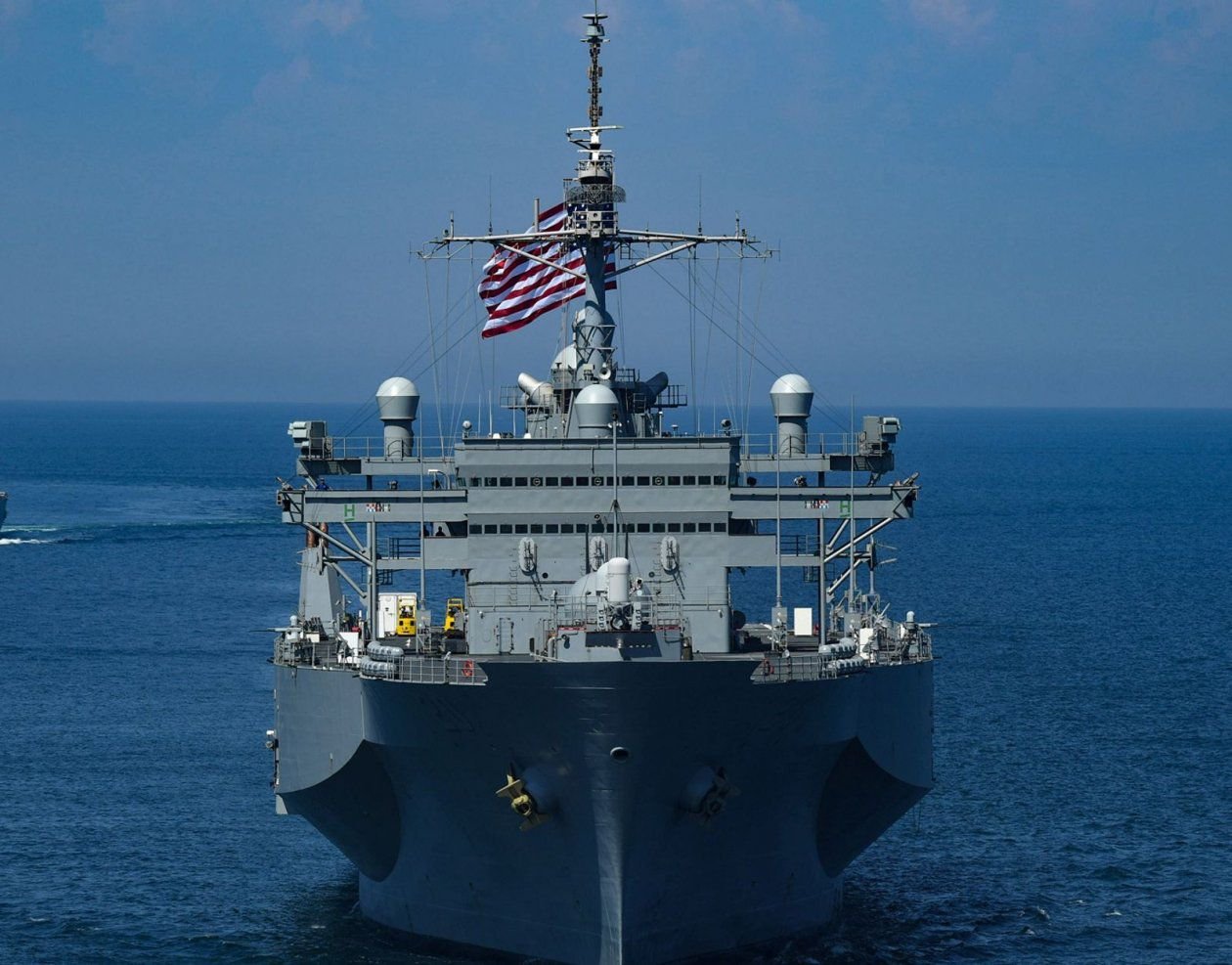
In a significant and potentially transformative development, the United States Central Command (CENTCOM) has announced that it will begin enforcing a comprehensive maritime blockade on all shipping traffic entering and exiting Iranian ports. The measure is scheduled to take effect on April 13 at 10:00 a.m. Eastern Time and is being implemented in accordance with a presidential directive. This decision signals a major escalation in U.S. policy toward Iran and introduces a new layer of complexity to an already tense geopolitical landscape.
Scope and Implementation of the Blockade
CENTCOM has stated that the blockade will apply to all vessels, regardless of nationality, that are traveling to or departing from Iranian ports. This includes all Iranian maritime facilities along the Arabian Gulf and the Gulf of Oman. By targeting both inbound and outbound maritime traffic, the blockade effectively aims to restrict Iran’s access to international trade routes by sea.
The enforcement policy is described as fair and non-discriminatory, meaning that ships from all countries will be subject to the same rules if they engage in trade with Iran. This universal application underscores the seriousness of the measure and highlights its intended impact on global shipping operations.
At the same time, CENTCOM has made a critical clarification: vessels transiting the Strait of Hormuz to and from non-Iranian ports will not be affected. This exception is particularly important given the strategic importance of the Strait of Hormuz, a vital corridor through which a substantial portion of the world’s oil supply passes. By maintaining freedom of navigation for non-Iran-related traffic, the United States appears to be attempting to limit broader disruptions to global commerce while focusing pressure specifically on Iran.
Operational Guidance for Mariners
To ensure safe and orderly implementation, CENTCOM has indicated that additional information will be provided to commercial mariners through official Notices to Mariners prior to the start of the blockade. These notices are a key communication tool used to inform vessels of changes in navigation conditions, restrictions, or potential hazards.
Mariners operating in the Gulf of Oman and near the entrances to the Strait of Hormuz are strongly advised to monitor these broadcasts closely. Additionally, ships are encouraged to maintain direct communication with U.S. naval forces via Channel 16, the internationally recognized maritime communication frequency. This guidance is intended to reduce the risk of confusion or unintended incidents during what is expected to be a highly sensitive operational period.
Geopolitical Context and Strategic Objectives
The announcement comes amid longstanding tensions between the United States and Iran, driven by disagreements over nuclear policy, regional influence, and maritime security. A maritime blockade represents one of the most assertive tools available in international relations, often associated with efforts to exert economic pressure or compel policy changes.
By restricting access to Iranian ports, the United States is effectively targeting a critical component of Iran’s economy, particularly its ability to export goods and import essential materials. This move may be intended to increase leverage in ongoing political or diplomatic disputes, while also signaling a strong stance to regional allies and international partners.
However, such measures also carry inherent risks. Iran has previously demonstrated its capacity to respond to maritime pressure, including through actions that disrupt shipping or challenge naval forces in the region. As a result, the blockade could lead to heightened tensions and an increased likelihood of confrontation.
Economic and Global Trade Implications
The potential impact of this blockade extends well beyond the immediate region. Iran plays a role in global energy markets, and any disruption to its maritime trade could influence oil prices and supply dynamics. Even with assurances that the Strait of Hormuz will remain open to non-Iranian traffic, the overall security environment may lead to increased insurance costs and operational risks for shipping companies.
Global trade routes could also be affected, as shipping operators reassess their strategies in response to the new restrictions. Some companies may seek alternative routes or avoid the region altogether, leading to delays and increased transportation costs. These changes could have cascading effects on supply chains and international commerce.
Legal and International Considerations
The legality of maritime blockades is governed by international law, which generally permits such actions under specific conditions, often in the context of armed conflict or collective security measures. As a result, this announcement is likely to prompt debate among legal experts and policymakers regarding its justification and compliance with established norms.
The response of the international community will also play a crucial role. While some countries may support the U.S. position, others may express concern about the implications for freedom of navigation and the stability of global trade systems. The situation may also be raised in international forums, where differing perspectives could influence future developments.
Risk of Escalation and Security Concerns
One of the most pressing concerns surrounding the blockade is the potential for escalation. The Gulf region is already a sensitive environment, where military presence and strategic interests intersect. The introduction of a blockade increases the likelihood of encounters between naval forces and commercial vessels, as well as between U.S. and Iranian military units.
Even minor incidents could have significant consequences, particularly if they are misinterpreted or lead to unintended escalation. Maintaining clear communication, adherence to maritime protocols, and diplomatic engagement will be essential in minimizing these risks.
Conclusion
The decision by U.S. Central Command to impose a maritime blockade on Iranian ports represents a pivotal moment in regional and global affairs. While the measure is designed to exert targeted pressure on Iran, its broader implications for international trade, energy markets, and geopolitical stability are substantial.
As the implementation date approaches, the world will be closely watching how the situation unfolds. The actions taken by both the United States and Iran, as well as the responses of other nations, will shape the trajectory of this development and determine whether it leads to further escalation or opens the door to renewed diplomatic efforts.